by liam@leup.co.uk | Aug 19, 2026 | Other
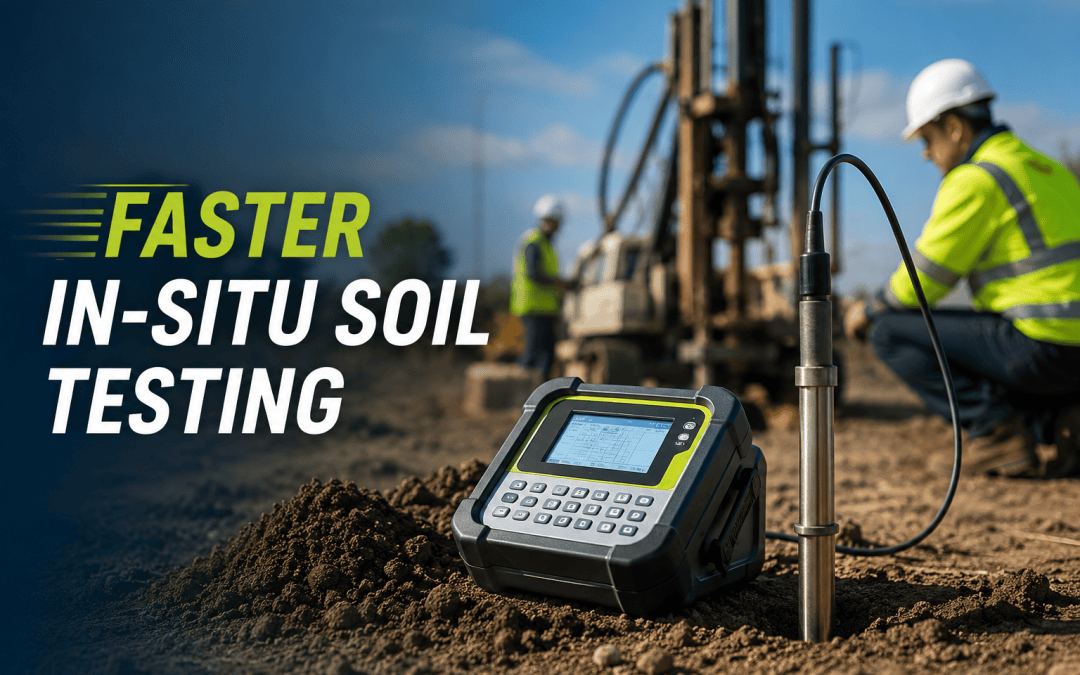
Modern construction projects depend on better ground information before major work begins. Soil conditions can change significantly across a single site, which makes early field testing an important part of planning foundations, roads, embankments, pavements and other...
by liam@leup.co.uk | Aug 17, 2026 | Sieves
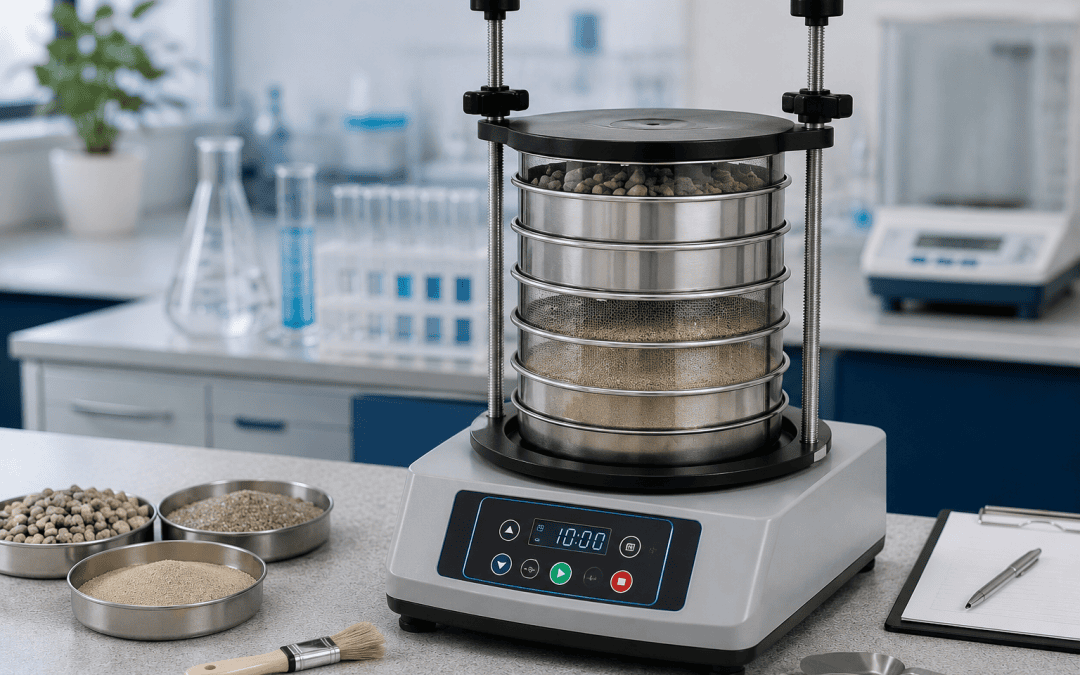
Particle size analysis is an important part of laboratory testing across many industries. The size and distribution of particles can influence the behaviour, quality and performance of materials, so reliable testing is essential when manufacturers, researchers and...
by liam@leup.co.uk | Aug 12, 2026 | Other
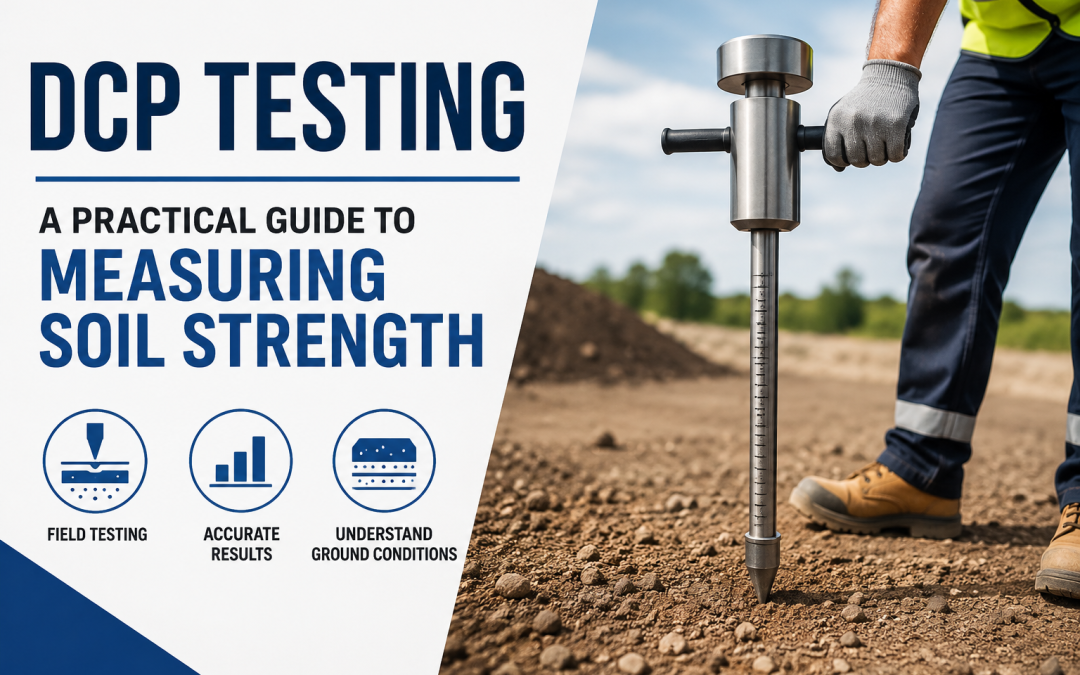
Before construction begins, one of the most important questions is whether the ground can provide enough support for the structure or pavement planned above it. Soil can look firm on the surface while weaker layers sit underneath, and those hidden changes can become...
by liam@leup.co.uk | Aug 5, 2026 | Other
Understanding how materials settle and consolidate under stress forms the foundation of reliable construction and manufacturing. Whenever engineers mix cement, soils, or resins, microscopic air pockets inevitably form within the matrix. If left undisturbed, these...
by liam@leup.co.uk | Jul 29, 2026 | Other
Determining soil load capacity prior to paving roads or constructing heavy foundations is one of the most vital steps in civil engineering. When ground conditions are inadequately assessed, structural settlement, localized pavement failure, and costly...

Recent Comments