

Proper concrete compaction forms the foundation of durable and resilient structures. When a mix is poured, entrapped air creates voids that can compromise the strength, finish, and longevity of the final product. Eliminating these air pockets is absolutely vital for any serious construction or laboratory testing application.
Achieving this required level of density requires the right equipment. To get the best results, professionals often turn to specialized machinery. High-quality vibrating tables offer the precision and power needed to settle the mix efficiently, ensuring maximum density and an impeccable surface finish.
Whether you operate a small testing facility or manage large-scale precast operations, using the appropriate compaction tools guarantees consistency. The process not only boosts structural integrity but also reduces the likelihood of long-term cracking or water infiltration.
The Science Behind Concrete Compaction
When concrete is initially mixed and poured, it contains a significant amount of entrapped air, sometimes accounting for up to 20% of the total volume. If left uncompacted, this air drastically lowers the compressive strength of the cured material. Every 1% of trapped air can lead to a 5% to 6% drop in overall strength. By applying controlled vibration, the internal friction between the aggregate particles decreases. The mix behaves like a fluid, allowing heavier materials to settle while the lighter trapped air bubbles rise to the surface and escape.
The rheology of concrete changes dramatically under vibration. The shear stresses applied by the machinery temporarily break the bonds between the cement paste and the aggregates. This fluidization is crucial for achieving the correct specific gravity and ensuring the concrete thoroughly fills the molds, especially in intricate shapes or heavily reinforced sections. Without adequate vibration, the resulting concrete may suffer from honeycombing, a defect where coarse aggregates are visible on the surface due to insufficient mortar filling the gaps between them.
Furthermore, the hydration process, which gives concrete its strength, relies on a uniform mixture. Voids disrupt this continuity, creating weak points that can lead to structural failure under stress. By ensuring a dense, homogeneous mix, the hydration reaction can occur optimally throughout the entire mass.
Key Benefits of Effective Vibration
1. Enhanced Structural Strength
The most obvious advantage of proper compaction is the dramatic improvement in load-bearing capacity. By minimizing voids, the material becomes denser and more capable of withstanding heavy loads over decades of use. This structural density is non-negotiable for critical infrastructure like bridges, high-rise buildings, and heavy industrial flooring.
2. Improved Surface Aesthetics
For architectural concrete, the finish is just as important as the structural integrity. Effective vibration produces a smooth, uniform surface free from blemishes, blowholes, and honeycombing. This reduces the need for costly and time-consuming surface repairs, patching, or grinding after the formwork is removed. A pristine finish right out of the mold significantly reduces post-production labor costs.
3. Increased Durability and Weather Resistance
A dense concrete structure is naturally more resistant to environmental stressors. It reduces permeability, preventing water, chlorides, and other harmful chemicals from penetrating the surface and corroding the internal steel reinforcement. This extended lifespan is vital for infrastructure projects exposed to harsh conditions, freeze-thaw cycles, or marine environments.
4. Better Bond with Reinforcement
Proper vibration ensures the concrete flows entirely around the rebar or mesh, creating a tight, secure bond. This interaction is essential for the structural elements to function as a cohesive unit under stress. A strong bond prevents slippage and ensures that tensile stresses are adequately transferred from the concrete to the steel reinforcement.
5. Economic Efficiency
While investing in high-quality machinery requires upfront capital, the long-term savings are substantial. Reduced reject rates, less time spent on cosmetic touch-ups, and a faster production cycle all contribute to a healthier bottom line. Consistent quality control means fewer costly mistakes and a stronger reputation in the market.
Applications in Precast Manufacturing and Laboratory Testing
Vibration equipment plays a central role across various segments of the construction industry, adapting to specific needs and scales of operation.
Precast Production
In precast manufacturing facilities, molds are filled with concrete and placed on large vibration platforms. The controlled shaking ensures the material spreads evenly, reaching every corner of the mold. This method is heavily used for creating paving slabs, concrete blocks, drainage pipes, retaining walls, and architectural panels. The efficiency of the vibration directly impacts production speed and product quality. High-volume plants rely on robust machinery that can operate continuously without degradation in performance.
Architectural Cast Stone
Creating decorative cast stone requires exceptional attention to surface detail. The compaction process must perfectly capture the intricate textures of the mold without trapping tiny air bubbles that would ruin the visual appeal. Specialized platforms allow for precise control over the vibration frequency, ensuring a flawless reproduction of the intended design.
Laboratory Testing
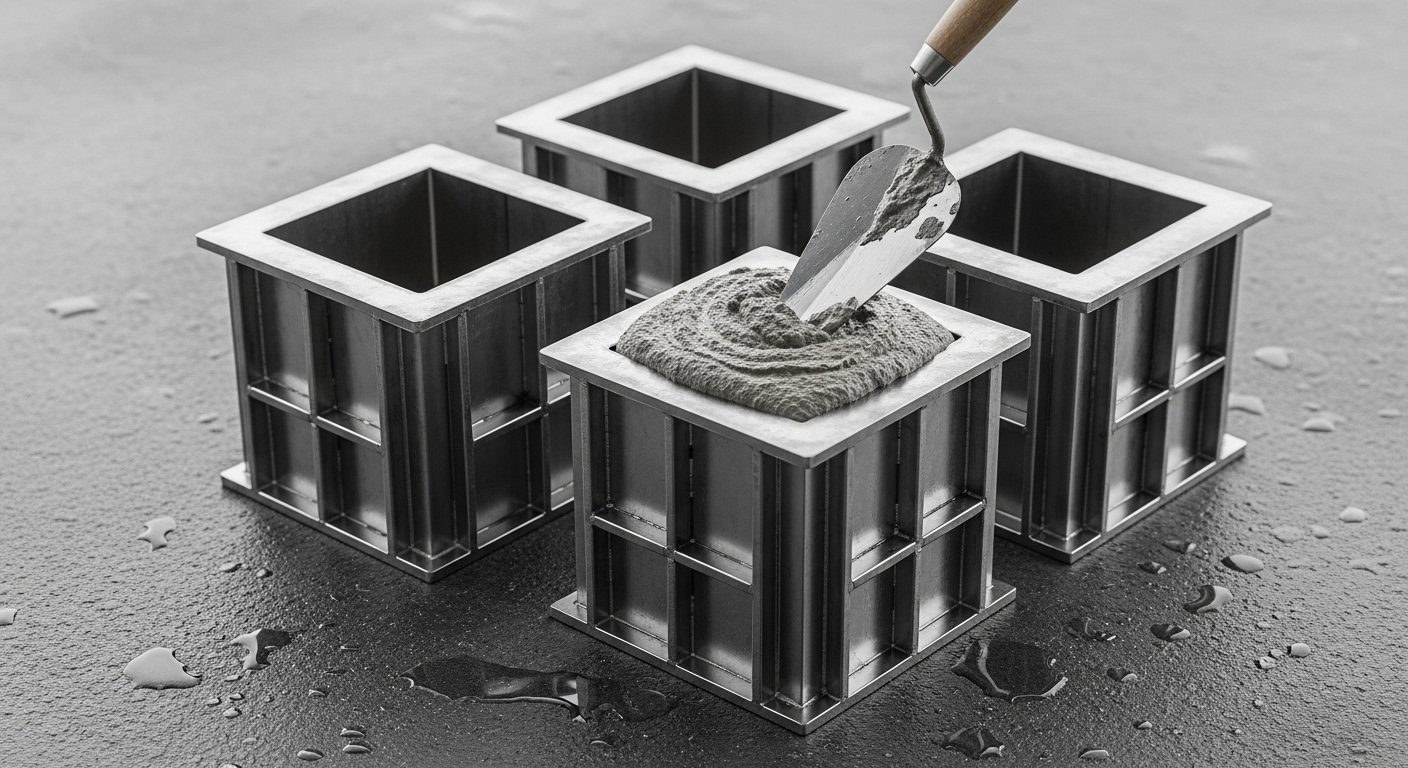
Quality control laboratories rely on precise measurements to determine the characteristics of a specific concrete mix. Technicians use smaller, highly calibrated vibration platforms to prepare test cubes and cylinders. These samples must be perfectly compacted to yield accurate results during compressive strength testing. Any inconsistencies in the sample preparation can lead to false readings, compromising entire construction projects. To explore more about quality control equipment, checking an established laboratory supplies store provides access to the necessary tools for accurate assessment and testing procedures.
Choosing the Right Compaction Equipment
Selecting the appropriate machinery depends on the specific requirements of the task. Several crucial factors must be evaluated to ensure optimal performance and longevity.
Platform Size and Load Capacity
The equipment must comfortably accommodate the size and weight of the molds being used, including the weight of the wet concrete. Overloading a unit reduces its effectiveness, dampens the vibrational energy, and can prematurely damage the motor or suspension system. It is always advisable to choose a model with a capacity slightly higher than your maximum expected load.
Vibration Frequency and Amplitude
Different concrete mixes require varying levels of vibrational energy. High-frequency vibration with low amplitude is generally ideal for wet, highly workable mixes. Conversely, low-frequency, high-amplitude vibration works better for stiff, dry mixes, as the larger physical movement helps shift the heavier coarse aggregate. Adjustable controls allow operators to fine-tune the settings for optimal results across different batch designs.
Directional Vibration
The direction of the vibration also matters. Some platforms provide strictly vertical vibration, which is excellent for settling materials uniformly downward. Others offer a combination of vertical and horizontal movement, which can be beneficial for helping stiff concrete flow into the corners of complex molds.
Power Source
Equipment can be powered electrically or pneumatically. Electric models are common in indoor facilities and laboratories due to their consistent performance, low noise levels, and ease of use. Pneumatic units, driven by compressed air, are often preferred in specialized environments where electricity might pose a hazard, or where continuous, heavy-duty operation is required without the risk of an electric motor overheating.
Durability and Maintenance
Given the harsh, dusty, and wet nature of concrete work, the machinery must be robust. Heavy-duty steel construction, reinforced welding, and sealed bearings protect the internal components from dust and moisture. Equipment designed with easy maintenance access allows for quick inspections and servicing, reducing downtime.
Best Practices for Optimal Compaction
To maximize the benefits of the equipment, operators should follow established best practices diligently.
1. Secure Molds Firmly
Molds must be rigidly clamped, bolted, or electromagnetically fastened to the platform. If the mold bounces independently of the platform, the vibrational energy is wasted, the compaction will be uneven, and the mold itself may suffer structural damage over time.
2. Monitor Concrete Slump
The workability, or slump, of the concrete dictates how it will respond to vibration. A very wet mix requires minimal vibration, while a dry mix demands more energy. Operators must adjust their technique based on the specific batch characteristics.
3. Avoid Over-Vibration
While under-compaction leaves voids, over-vibration can be equally detrimental. Excessive shaking causes the mix to segregate. The heavy coarse aggregates sink to the bottom while the lighter water and fine cement paste rise to the top. This results in a weak, powdery surface layer known as laitance, which ruins durability and creates bonding issues for subsequent layers or coatings. Operators must monitor the process and stop the vibration as soon as the air bubbles cease rising and a thin, uniform sheen of mortar appears on the surface.
4. Pour in Manageable Layers
For deep molds, concrete should be poured and vibrated in relatively thin layers, typically ranging from 150mm to 300mm. Attempting to compact a massive volume of concrete all at once often leaves trapped air permanently locked in the lower sections, as the bubbles cannot travel through the heavy mass above them.
5. Use Proper Form Release Agents
Applying a high-quality form release agent prevents the concrete from sticking to the mold, which can cause surface tearing when demolding. This practice works in tandem with proper vibration to ensure a pristine finish.
Troubleshooting Common Compaction Issues
Uneven Compaction and Porous Spots
If certain areas of the mold remain porous, the vibration might not be distributing evenly. This can happen if the load is positioned off-center, creating a dampening effect on one side. It may also indicate that the suspension system, such as rubber mounts or steel springs, is worn out unevenly. Centering the load precisely and regularly inspecting the suspension components resolves this issue.
Excessive Noise and Erratic Bouncing
If the equipment is excessively noisy or bounces erratically, it may be overloaded or placed on an uneven surface. The machine must be bolted securely to a solid, perfectly level foundation. Additionally, verifying that the total weight does not exceed the manufacturer’s specifications prevents the unit from straining.
Surface Blemishes Despite Proper Timing
If blowholes persist even when vibration timing seems correct, the issue might lie in the mold design or the mix proportions. Insufficient fine aggregates can make a mix “harsh” and difficult to finish. Alternatively, adjusting the amplitude of the vibration can sometimes help dislodge stubborn air bubbles trapped against the mold face.
The Future of Concrete Compaction Technology
The construction and precast industries continuously evolve, and compaction technology is advancing to meet new demands. Modern machinery increasingly features programmable logic controllers (PLCs) and variable frequency drives (VFDs). These sophisticated advancements allow for precise, automated control over the entire vibration cycle.
Operators can now save specific, tailored profiles for different concrete mixes, ensuring perfect repeatability across shifts and minimizing human error. Sensors can monitor the density of the concrete in real-time, automatically shutting off the equipment the moment optimal compaction is achieved, completely eliminating the risk of over-vibration.
Furthermore, there is a growing emphasis on ergonomics, energy efficiency, and noise reduction. Newer models are designed to deliver maximum vibrational energy directly to the payload while actively dampening the noise and vibration transmitted to the surrounding environment and the operator’s workspace.
Conclusion
Achieving dense, high-strength concrete is not a matter of chance; it requires meticulous attention to detail and the correct application of vibrational energy. By utilizing reliable compaction machinery, producers and testers can confidently eliminate detrimental air voids, enhance structural integrity, and produce visually flawless results that stand the test of time.
Whether preparing small test cubes in a precision laboratory or manufacturing massive precast elements for heavy infrastructure, the fundamental principles of proper compaction remain the same. Investing in the right tools, maintaining the equipment meticulously, and adhering to operational best practices ensures the final concrete product consistently meets the absolute highest standards of quality, safety, and durability.
Frequently Asked Questions (FAQs)
1. What exactly happens if concrete is not properly compacted?
Failure to compact concrete leaves trapped air pockets within the mix. This significantly reduces the structural compressive strength, increases permeability, and causes unsightly surface defects like honeycombing, ultimately shortening the overall lifespan and safety of the structure.
2. How long should I vibrate the concrete mix for optimal results?
The duration depends heavily on the mix design, slump, and the power of the equipment. Generally, vibration should continue until air bubbles stop breaking the surface and a thin, uniform layer of cement paste appears. This usually takes between 10 and 30 seconds per layer.
3. Can you actually vibrate concrete too much?
Yes, over-vibration causes severe segregation. The heavier coarse aggregates settle at the bottom, while the water and fine cement paste rise to the top, resulting in a weak, dusty surface layer called laitance that compromises structural integrity and durability.
4. Why is securely clamping the mold so important?
If the mold is not securely fastened to the platform, it will bounce independently. This dissipates the vibrational energy, leading to highly ineffective compaction, longer processing times, and potential physical damage to both the mold and the equipment.
5. What is the fundamental difference between frequency and amplitude in vibration?
Frequency refers to how fast the platform vibrates, measured in cycles per minute or Hertz. Amplitude refers to how far the platform actually moves during each cycle. Adjusting these two settings allows the machinery to accommodate different concrete consistencies effectively.
6. Is high-frequency vibration always better?
Not necessarily. High-frequency vibration is highly effective for wet, flowable mixes, as it rapidly liquefies the mortar. However, for stiff, dry mixes, a lower frequency combined with higher amplitude is generally much more effective at physically moving the heavy coarse aggregate into place.
7. How do I properly maintain my compaction machinery?
Regular maintenance includes thoroughly cleaning the unit after every single use to prevent concrete buildup, inspecting for loose bolts or damaged rubber mounts, and ensuring the electric motor and moving parts are properly lubricated according to the specific manufacturer’s guidelines.
8. Can these platforms be used for materials other than just concrete?
Yes, this versatile type of machinery is also heavily utilized in various other industries, including packaging, foundry work, chemical processing, and even chocolate manufacturing, to settle materials, remove air pockets, or pack products tightly into shipping containers.
9. What size equipment do I need for standard laboratory testing?
Laboratory equipment is typically much smaller and designed specifically for precise, standardized testing of 100mm or 150mm cubes and standard cylinders. The platform size and load capacity should exactly match your specific testing molds and volume requirements.
10. Are electric or pneumatic models generally better?
Electric models are incredibly common, quiet, and reliable for most indoor and laboratory settings. Pneumatic models, driven by compressed air, are exceptionally durable and heavily preferred in environments where continuous, heavy-duty use is required or where electricity presents a significant safety hazard.
Recent Comments