
by liam@leup.co.uk | Aug 17, 2026 | Sieves
Particle size analysis is an important part of laboratory testing across many industries. The size and distribution of particles can influence the behaviour, quality and performance of materials, so reliable testing is essential when manufacturers, researchers and...
by liam@leup.co.uk | Jul 10, 2026 | Sieves
The determination of particle size distribution remains a cornerstone of quality control and research across countless sectors. Whether managing the integrity of construction materials or ensuring the consistency of pharmaceutical compounds, the ability to categorize...

by liam@leup.co.uk | Jun 17, 2026 | Sieves
Integrating a precisely calibrated sieve shaker into daily laboratory operations standardizes the kinetic energy applied to a sample, ensuring that every particle is repeatedly exposed to the mesh apertures at varying angles without causing destructive physical...
by liam@leup.co.uk | Jun 12, 2026 | Sieves
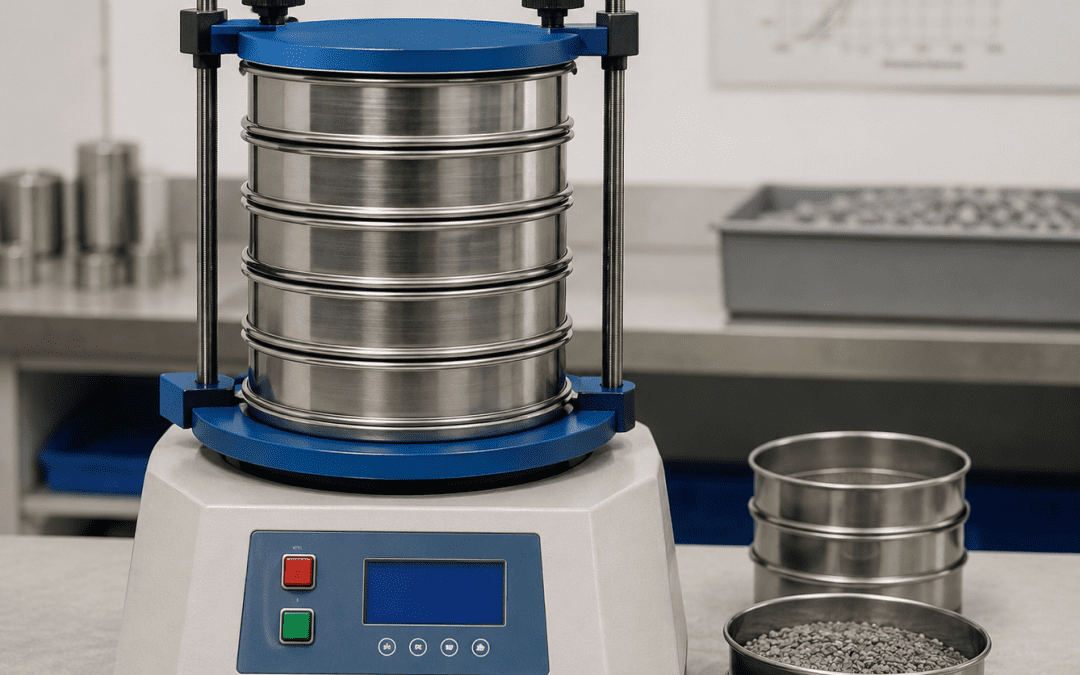
Concrete and asphalt performance relies entirely on the skeletal structure of the aggregate matrix. If crushed rock and sand lack the precise gradation profile demanded by structural engineers, the resulting composite material will inherently fail under compressive or...
by liam@leup.co.uk | Jun 10, 2026 | Sieves
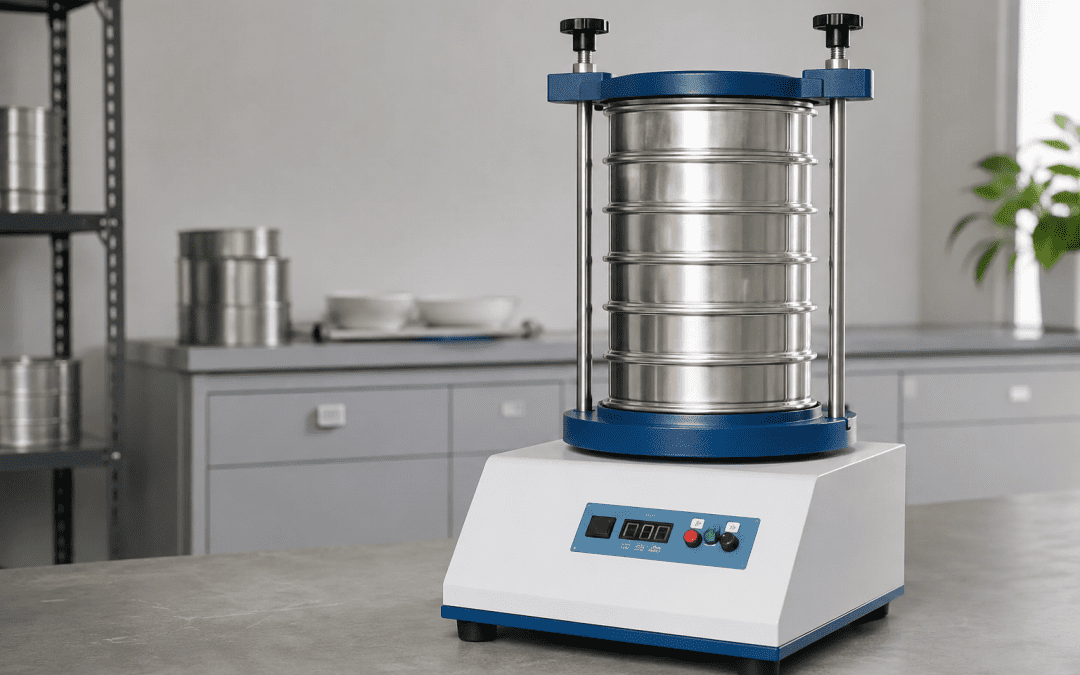
Accurate particle size distribution analysis forms the structural foundation of modern quality control across civil engineering, geotechnical assessment, and manufacturing. Material gradation dictates critical physical properties. These range from the workability and...
by liam@leup.co.uk | Apr 19, 2026 | Sieves
Every material used in construction, manufacturing, and laboratory research has a specific particle size distribution that directly affects its performance. From the fine cement powder that binds concrete together to the coarse aggregates forming a road base, the...

Recent Comments