
by liam@leup.co.uk | Jan 24, 2026 | Sieves
Precise particle size analysis demands a reliable sieve shaker for consistent and reproducible results. At LabQuip Ltd, we understand how critical this laboratory instrument is across various industries, from pharmaceuticals to construction materials testing. Our...

by liam@leup.co.uk | Jan 24, 2026 | Uncategorized
Precision in concrete testing depends significantly on polystyrene cube molds that meet exacting industry standards. When conducting compressive strength tests, even minor variations can lead to inaccurate results, potentially compromising structural integrity and...

by liam@leup.co.uk | Jan 24, 2026 | Uncategorized
Reliable soil testing is the cornerstone of safe and durable construction. From roads and pavements to building foundations, understanding the properties of the subgrade ensures that structures perform as designed and withstand long-term stresses. Among the array of...

by liam@leup.co.uk | Jan 24, 2026 | Uncategorized
Ensuring that concrete achieves its designed strength, durability, and longevity requires accurate and reliable testing at every stage. One often overlooked but essential tool in this process is the air meter. By measuring the air content in fresh concrete, air meters...

by liam@leup.co.uk | Jan 24, 2026 | Uncategorized
Vibrating tables play a critical role in ensuring product quality across numerous industrial applications. In concrete testing, these specialized tables are particularly important for adequate compaction when creating concrete cubes used to measure compressive...

by liam@leup.co.uk | Jan 24, 2026 | Other
Accurate concrete testing is the backbone of safe and durable construction. From residential developments to large-scale infrastructure projects, the strength and consistency of concrete must be verified before it is approved for use. Among the most widely used tools...

by liam@leup.co.uk | Dec 27, 2025 | Uncategorized
Vibrating tables significantly improve production efficiency and product quality across multiple industries. Specifically, a well-designed vibrating table can cut container costs by as much as 20% by fitting more material in every container. We’ve created this...
by liam@leup.co.uk | Dec 27, 2025 | Uncategorized
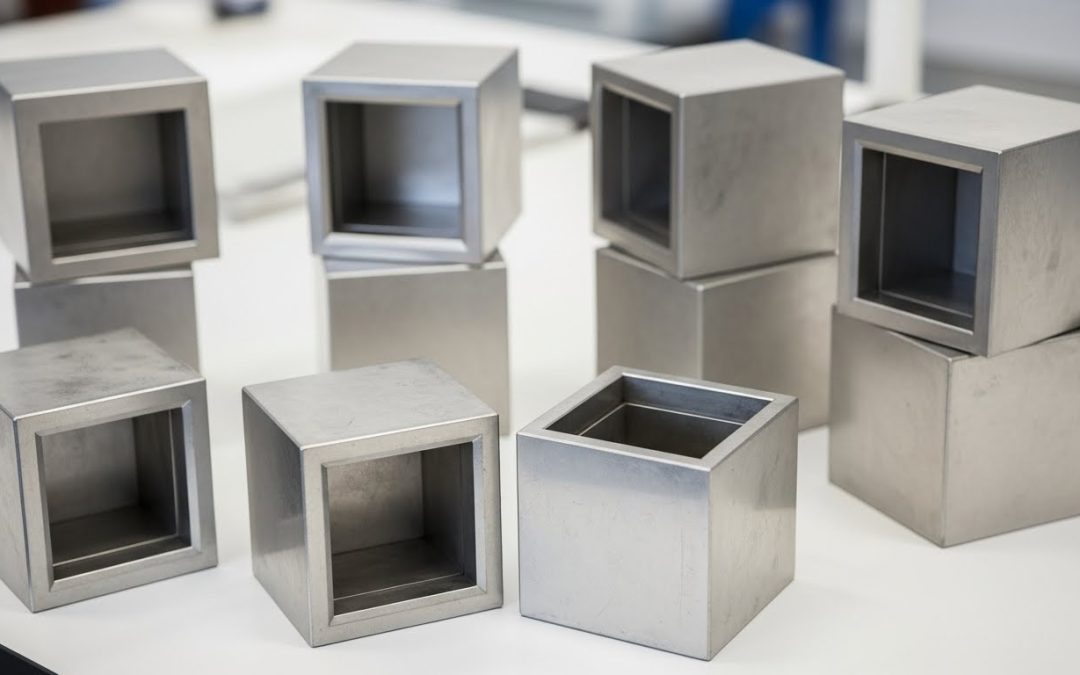
Are your concrete test results inconsistent despite following proper procedures? The problem might be with your 100mm cube moulds, which play a crucial role in obtaining accurate concrete strength assessments. These precision-engineered testing tools are manufactured...

by liam@leup.co.uk | Dec 27, 2025 | Uncategorized
When it comes to particle separation and sizing distribution, a sieve shaker represents one of the most valuable tools in modern laboratory settings. These specialized devices automate the agitation process for a wide range of materials, delivering consistent and...

by liam@leup.co.uk | Dec 27, 2025 | Uncategorized
When accurate soil assessment becomes crucial for your project’s success, the dynamic cone penetration DCP test offers a reliable solution that won’t break your budget or timeline. This field-ready testing method provides fast and cost-effective strength...

Recent Comments